 1 Warrego Road, Picton East WA 6229 (Head Office)
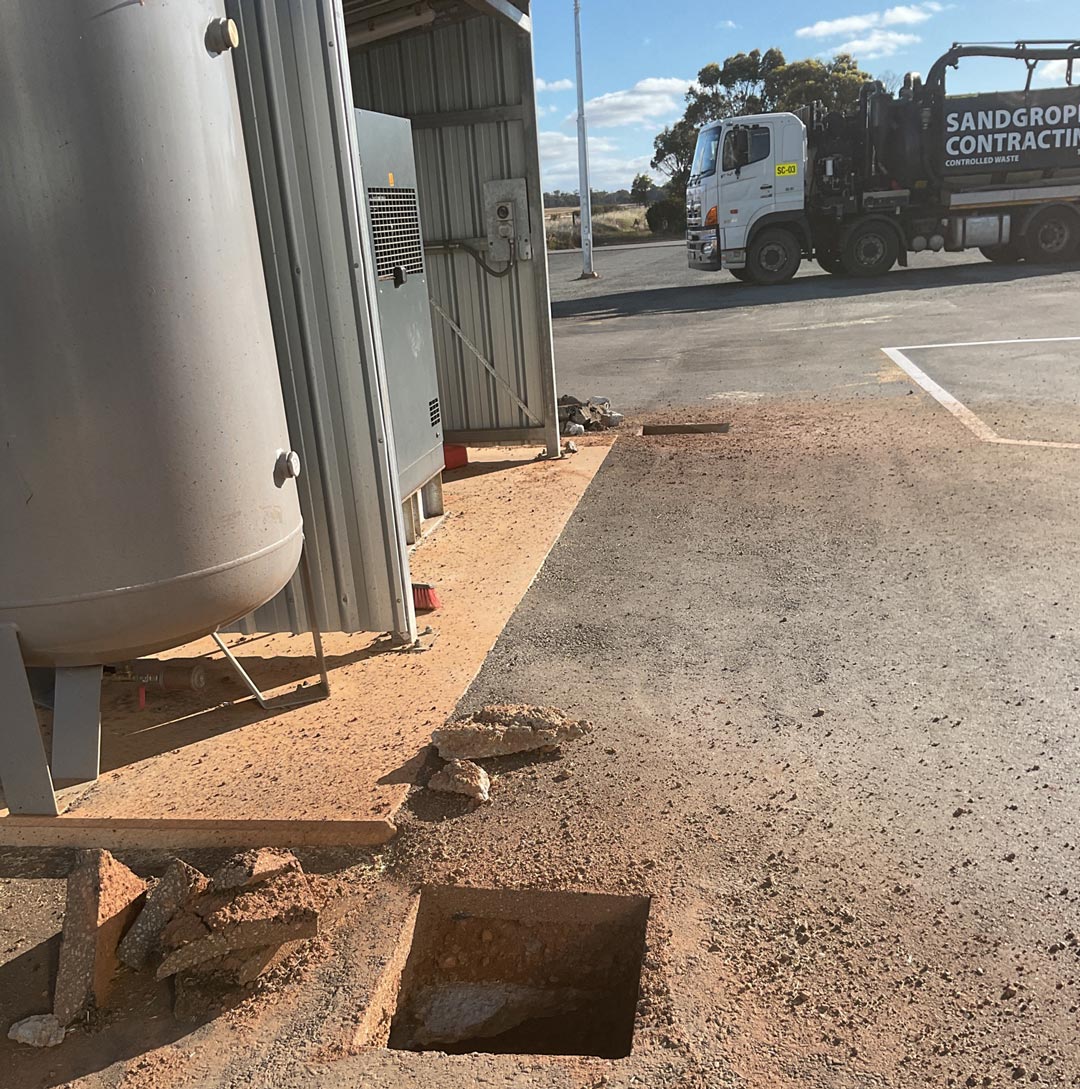
Excavation might look straightforward from the outside. A machine arrives, soil gets moved, and construction begins. But beneath the surface of most worksites is a complex web of infrastructure. Gas lines, water pipes, telecommunications cables, and electrical conduits often run through the same corridors.
Striking one of these services can quickly turn a routine project into a serious problem. Delays, repair costs, safety incidents, and service disruptions are all real risks.
This is where Non-Destructive Digging (NDD) comes in.
Rather than cutting through soil with mechanical equipment, NDD uses pressurised water or air combined with powerful vacuum systems to gently remove soil. The method allows crews to uncover underground infrastructure with far greater control and significantly less risk.
Across Western Australia, contractors increasingly rely on Sandgroper Contracting when projects require this level of precision around underground utilities.
What Is Non-Destructive Digging?
Non-Destructive Digging, sometimes called Hydro Excavation, is a controlled excavation technique designed to locate and expose underground services without damaging them.
Instead of digging with buckets or blades, the process works by:
- Breaking up soil with pressurised water or compressed air
- Removing the loosened soil using a high-powered vacuum system
This approach allows operators to gradually expose buried infrastructure while maintaining clear visibility of what they are uncovering.
Because there is no mechanical force applied to the ground, the risk of damaging critical services is dramatically reduced. This is especially important when working near:
- Gas pipelines
- Water and sewer infrastructure
- Electrical conduits
- Telecommunications and fibre optic cables
For sites where underground services are known to exist, NDD provides a much safer way to excavate.
How Hydro Excavation Works
The most widely used form of NDD is hydro excavation.
Hydro excavation combines two main systems that work together throughout the process.
Pressurised Water
High-pressure water jets are used to loosen and break apart soil.
Unlike mechanical equipment, water allows operators to carefully expose infrastructure layer by layer. The pressure can be adjusted depending on soil conditions and how close the excavation is to sensitive utilities.
This controlled approach is what allows crews to uncover pipes and cables safely without applying force that could damage them.
Vacuum Extraction
Once the soil has been loosened, a vacuum hose immediately removes the slurry and transfers it into a debris tank on the excavation truck.
This has several advantages:
- The excavation area stays clean and visible
- Operators can clearly identify underground services
- Soil is contained and removed efficiently
Hydro excavation trucks used by Sandgroper Contracting combine both systems in a single unit, allowing precise excavation for civil, infrastructure, and utility projects across Western Australia.
The Equipment Behind NDD
Modern hydro excavation trucks are purpose-built machines designed specifically for work around underground utilities.
They typically combine:
- High-pressure water systems
- Industrial vacuum technology
- Debris containment tanks
- Long reach hoses for difficult locations
These systems allow operators to work efficiently while maintaining precise control during excavation.
Fan Systems
Fan systems move large volumes of air quickly, making them ideal for faster excavation work. They are also lighter, easier to operate, and commonly used for most hydro excavation projects.
Positive Displacement Blowers
Positive displacement blowers can move air over longer distances, which allows excavation at greater depths. Although they generally work more slowly, they are well suited to specialised projects where deeper excavation is required.
The choice between these systems usually depends on depth requirements, soil conditions, and site constraints.
Air Excavation vs Water Excavation
While hydro excavation using water is the most common approach, some projects benefit from air excavation instead.
Air excavation uses compressed air to break up soil rather than water. This method is useful in situations such as:
- Extremely cold environments where water may freeze
- Areas where moisture must be minimised
- Projects involving particularly sensitive utilities
Both methods share the same fundamental principle: removing soil without the mechanical force that could damage underground infrastructure.
Where Non-Destructive Digging Is Used
Because of its accuracy and safety benefits, NDD is widely used across multiple industries.
Common applications include:
- Utility potholing to confirm service locations
- Exposing pipelines for maintenance or repair
- Installing telecommunications and fibre optic networks
- Excavation near electrical infrastructure
- Trenching in areas with congested underground services
- Rail and infrastructure corridor works
- Urban construction sites and confined spaces
In many of these environments, multiple utilities may run through the same corridor, making careful excavation essential.
Utility Location and Verification
One of the most common uses for NDD is utility potholing.
This involves creating small, targeted excavations to confirm the exact location and depth of underground services before larger construction work begins.
Services like Dial Before You Dig (1100) provide valuable mapping information, but those records can sometimes be outdated or inaccurate. Non-Destructive Digging removes the guesswork by allowing contractors to visually confirm where utilities sit beneath the ground.
For project managers, that certainty can prevent costly mistakes later in the job.
Telecommunications and Fibre Installations
Telecommunications providers rely heavily on NDD when installing and maintaining fibre optic infrastructure.
Fibre optic cables are extremely sensitive. Even small amounts of pressure or bending can damage them and interrupt network services.
Hydro excavation allows technicians to expose cables safely, install new infrastructure, or troubleshoot existing networks without risking damage to critical communications systems.
Working in Urban and Confined Areas
Urban environments bring a different set of challenges. Space is limited, underground utilities are densely packed, and disruption to businesses and residents must be kept to a minimum.
Hydro excavation equipment can operate effectively in:
- Narrow streets
- Footpaths and verges
- Tight construction sites
The excavation hose can reach confined spaces while the truck remains positioned nearby, reducing disruption to surrounding areas.
Rail and Infrastructure Projects
Rail corridors and major infrastructure projects often involve working around live services that cannot be shut down.
Signalling cables, electrical systems, and communications infrastructure must remain operational while construction is underway.
Non-Destructive Digging allows contractors to safely expose these systems without interrupting service or creating safety risks.
The Key Advantages of NDD
Reduced Risk of Utility Damage
Mechanical excavators can easily strike buried infrastructure. NDD significantly reduces this risk by allowing services to be exposed safely before major excavation begins.
Avoiding even one utility strike can save tens of thousands of dollars in repairs, delays, and liability.
Improved Safety
Utility strikes can lead to gas leaks, electrical hazards, or major service disruptions. By removing mechanical impact from the process, NDD helps create a safer environment for workers and the public.
Greater Precision
Operators can carefully remove soil and expose individual utilities without disturbing nearby infrastructure. This precision is especially valuable in crowded utility corridors.
Cleaner Worksites
Because soil is vacuumed directly into a debris tank, worksites remain tidy. There are no large soil piles, and the contained material is easier to manage and transport.
Reduced Environmental Impact
NDD disturbs less ground than traditional excavation. The use of water also helps suppress dust, improving air quality on site.
Why Contractors Choose Sandgroper Contracting
Sandgroper Contracting provides specialised hydro excavation services across Western Australia, supporting projects that require safe excavation around underground utilities.
Their services are used across sectors including:
- Civil construction
- Utilities and infrastructure
- Telecommunications
- Rail and transport
- Commercial and industrial developments
By combining modern equipment with experienced operators, Sandgroper helps contractors locate and expose underground services while keeping projects moving safely.
Servicing Perth, the South West, Pilbara, and Great Southern Regions.
With locations in Perth, Picton East (?? Can we say Bunbury??), Busselton and Port Hedland, the team can respond quickly to projects across the regions.
Our team is available 24 hours a day, seven days a week, supporting both planned works and urgent excavation requirements.
Planning an Excavation Project?
If your project involves working near underground utilities, choosing the right excavation method can prevent costly damage and unexpected delays.
Sandgroper Contracting provides professional hydro excavation and vacuum excavation services designed to safely expose underground infrastructure across Western Australia.
To discuss your project contact us now to speak with one of our experienced team.